
Streamline Your Payment Processing
Effortlessly manage in-person and online transactions with our comprehensive payment solutions.
Payment Gateways for Retail
Understanding the Payment Gateway Landscape
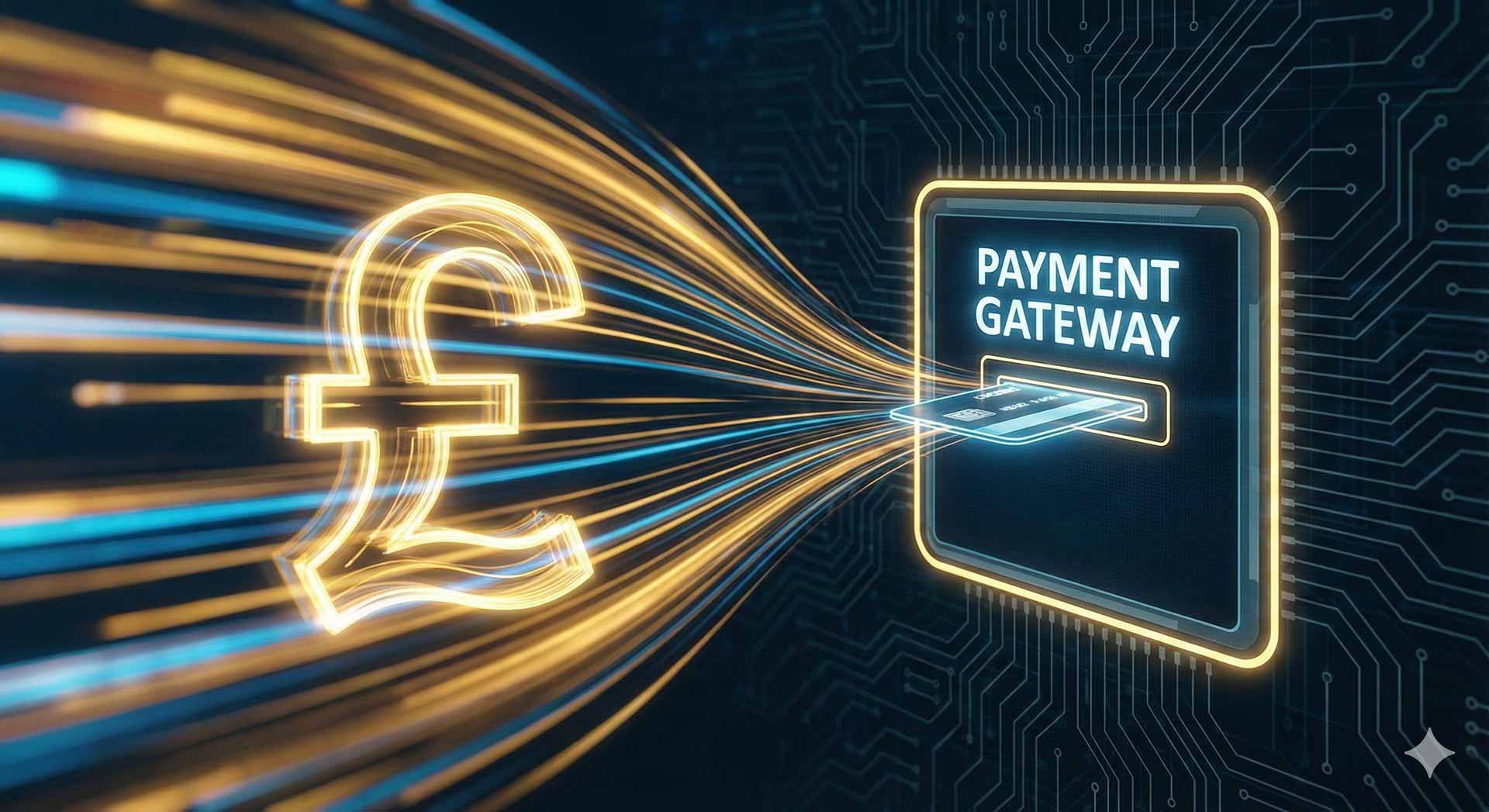
A payment gateway is the technology that captures and transfers payment data from the customer to the acquirer. A payment gateway is technology that allows retailers to accept noncash payments from their customers. In today’s retail environment, it is essential for businesses to accept card payments and accept cash, as both remain fundamental payment options that meet varying customer preferences and legal requirements. It acts as the digital equivalent of a physical point-of-sale terminal for online transactions, but in the modern retail environment, the lines between physical and digital are blurring. A robust payment gateway must now handle omnichannel strategies, bridging the gap between your physical shop floor and your ecommerce presence. To maximize customer satisfaction and reduce cart abandonment, retailers should aim to support as many payment methods as possible, ensuring flexibility and convenience for every shopper.
When you process a sale, the payment gateway encrypts sensitive information, such as credit card numbers, to ensure that data passes securely between the customer and the merchant. This encryption is vital. Without it, customer data would be vulnerable to theft. The payment gateway uses this encrypted data to process payments by sending it to the payment processors, who then communicate with the customer’s bank. The customer’s bank checks the customer’s bank account to verify sufficient funds and authorises the transfer of funds to the merchant’s account.
If the customer’s bank account has sufficient funds and the transaction is not flagged as fraudulent, the issuing bank authorises the request. The payment gateway then sends a confirmation back to the merchant, allowing the sale to complete. This entire process happens in seconds, yet the choice of payment gateway can significantly impact the speed, success rate, and cost of that transaction.

How We Optimise Your Payment Processing
Many businesses stick with their initial payment gateway out of habit or fear of change. However, sticking with the wrong provider often means bleeding revenue through excessive transaction fees and outdated technology. We analyse your current setup to see exactly where you are overpaying.
Because we generate high volumes of business for banks and payment processors, they offer us wholesale rates. We pass these savings directly to you. When we manage your payment processing, we ensure that the payment gateway you use is not just a tool for accepting money, but an asset that improves your bottom line.
Definition of Retail Payment
Retail payment refers to the process by which customers transfer funds to retailers in exchange for goods or services. This process encompasses a wide range of payment methods, including traditional options like credit and debit cards, as well as newer alternatives such as mobile payments, digital wallets, and buy now, pay later services. As customer preferences continue to evolve, it’s essential for retailers to accept multiple payment methods to remain competitive and meet the diverse needs of their clientele.
The choice of payment method can have a significant impact on the overall customer experience. Some customers may prefer the convenience and rewards offered by credit cards, while others might opt for the speed and security of mobile payments or digital wallets. Alternative payment methods, such as contactless payments and QR code payments, are also gaining popularity, especially among younger shoppers who value quick and seamless transactions. Each payment method comes with its own set of transaction fees and payment processing fees, which can affect a retailer’s bottom line. By understanding the full spectrum of retail payment options and their associated costs and benefits, retailers can design a payment strategy that maximizes customer satisfaction and optimizes payment processing.
Overview of Retail Payment System
A retail payment system is the backbone of any retail business, encompassing the technologies and processes that enable retailers to accept payments from customers efficiently and securely. This system includes payment gateways, payment processors, and merchant accounts, all working together to facilitate smooth transactions. Whether you’re accepting payments in store, online, or via mobile devices, your retail payment system must be reliable, secure, and flexible enough to support a variety of payment methods.
Retail payment system refers to the entire ecosystem that allows you to accept payments—ranging from credit and debit cards to mobile payments and alternative payment methods. By integrating multiple payment methods, retailers can cater to a broader range of customer preferences, enhance customer convenience, and encourage repeat business. Payment processing services, such as online payment gateways and in-store payment terminals, help streamline the checkout process and improve cash flow management. A well-designed retail payment system not only supports your current business needs but also positions you to adapt to new payment solutions and technologies as they emerge, ensuring your business remains competitive in a rapidly changing retail landscape.
The Cost of Acceptance: Fees and Charges
One of the most confusing aspects of securing a payment gateway is the fee structure. Providers often present a dizzying array of numbers that make direct comparison difficult. Some payment gateways require a separate merchant account, which can affect both the overall cost and the setup process. Our team strips away this complexity. We look at the total cost of ownership, ensuring there are no nasty surprises waiting in the fine print. Transaction costs are a key consideration for retailers, as they directly impact profit margins and the affordability of accepting electronic payments.
Transaction fees for payment gateways typically range from 1.4% to 2.9% plus a fixed fee.
Transaction fees are the percentage of each sale that the payment gateway and acquirer take. These can vary wildly depending on the card type and the volume of sales you process. Credit card transaction fees, in particular, can fluctuate based on the type of card used and the provider’s fee structure. A standard payment gateway might charge a flat rate plus a percentage, but these “blended” rates often hide the fact that debit cards should be cheaper to process than premium credit cards. We fight for competitive transaction fees that reflect your actual risk and volume profile. We typically help clients secure lower transaction fees by moving them onto “Interchange Plus” pricing models or negotiating better blended rates.
It’s also important to watch for hidden charges, such as monthly minimums, PCI compliance fees, and chargeback fees. Chargeback fees are costs imposed when a customer disputes a transaction and the retailer is held liable; these fees can add up quickly and significantly affect your bottom line, making it crucial to choose a provider that offers reasonable chargeback policies.
Monthly Fees and Setup Costs
Some payment gateway providers charge high monthly fees just for the privilege of using their software. Others might demand substantial setup fees to get your account running. We often negotiate to have these setup fees waived entirely. We also scrutinise monthly fees to ensure you are getting value for money. If a payment gateway charges a high monthly retainer, it must justify that cost with superior features or lower transaction fees.
Payment Gateway Charges
Beyond the headline rates, there are often hidden payment gateway charges. These can include fees for failed transactions, chargebacks, or even PCI compliance non-compliance fees. When we review your payment services, we highlight these potential pitfalls. We ensure that the payment gateway contract you sign is transparent and fair.
Online vs. In-Person: A Unified Approach
Modern retail demands flexibility. You likely need to accept payments both at a physical counter and through a website, making it essential to handle both in-person and online payments seamlessly. Supporting in person payments is crucial for businesses that rely on face-to-face transactions, ensuring a smooth customer experience across all channels. Historically, businesses often used one provider for in person payment processing and a completely different one for their online payment gateway. This leads to fragmented reporting and administrative nightmares.
We advocate for payment solutions that unify these channels. A modern payment gateway can link your physical card terminals with your ecommerce platform, enabling secure and efficient online payments alongside in-person transactions. Digital payments, including technologies like NFC and mobile wallets, are now a key component of modern retail payment processing, offering convenience and speed for both merchants and customers. This means all your transaction data feeds into a single dashboard, simplifying your accounting and inventory management as your gateway helps process transactions efficiently across all channels.
In-Person Transactions
For in person transactions, speed is everything. Modern payment terminals reduce the need for customers to carry cash, making transactions faster and more convenient. A slow payment gateway creates queues and frustrates customers. We source state-of-the-art terminals that connect seamlessly to your payment gateway, ensuring that process card payments happens in milliseconds. While cash payments are still accepted, many retail customers now prefer digital or card-based options for their purchases. Whether you need a countertop machine or a mobile device for processing on the shop floor, we find the hardware that matches your workflow and meets retail customers’ expectations for fast, convenient payment experiences.
Online Transactions
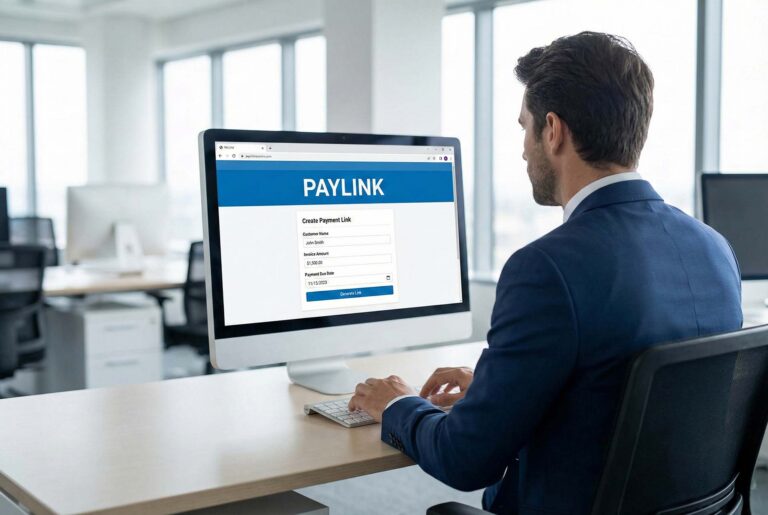
For your online store, the payment gateway is the checkout friction point. Introducing a payment element can streamline the online checkout process by supporting multiple payment methods, currencies, and providing a seamless, conversion-optimized experience. If the payment page is slow, ugly, or looks insecure, customers will abandon their carts. We help you implement hosted payment gateways or integrated solutions that maintain the look and feel of your brand while keeping security tight. Some payment gateways also offer payment links, allowing you to send customers a direct URL to a secure payment page for easy and flexible payment acceptance via email, SMS, or embedded links. We ensure that your online payment gateway is optimised for conversion, reducing the number of clicks required when customers pay online.
Hosted vs. Integrated Payment Gateways
When setting up your online checkout, you generally have two choices regarding how the payment gateway interacts with your site: hosted gateways or integrated (API) gateways. It’s important to consider how well the payment gateway solution is compatible with your business software, as seamless integration can streamline transaction management and enhance your overall retail payment processing strategy.
Hosted Payment Gateways
With hosted payment gateways, the customer is redirected away from your website to a secure payment page hosted by the payment gateway provider. The benefit here is security simplicity. The payment gateway handles all the heavy lifting regarding PCI DSS compliance and payment data storage.
-
Pros: Easier to set up, reduced security burden on your servers.
-
Cons: potentially lower conversion rates if the redirect jars the customer experience. We can recommend hosted payments page solutions that allow for customisation, so the transition feels natural for the customer.
Integrated Payment Gateways
Integrated solutions use an API to keep the customer on your website throughout the checkout process. The payment gateway works in the background. This offers the most seamless customer experience. However, it requires more rigorous security measures on your end to protect customer payment information. We help you weigh the pros and cons. If you have a developer team, an integrated payment gateway might be best. If you want a plug-and-play solution, hosted gateways are often the smarter choice.
The Importance of Payment Methods
A payment gateway is only as good as the payment methods it supports. The most popular payment gateways support a wide variety of payment methods, making them a preferred choice for retailers. Limiting your customers to just Visa and Mastercard is a recipe for lost sales. Today, consumers expect a wide variety of payment options. To meet these expectations, retailers must offer different payment methods to provide flexibility and convenience for every customer. Retail payment methods include credit cards, debit cards, digital wallets, bank transfers, and other options available to both consumers and merchants. Choosing a gateway that accepts a variety of payment options reduces the risk of cart abandonment and helps you close more sales.
Retail payment solutions are the systems and technologies that enable merchants to accept diverse payment methods, both in-store and online. Supporting local payment methods, such as country-specific digital wallets or bank transfers, is crucial for success in specific markets. For retailers serving international customers, global payments capabilities—such as multi-currency support and dynamic currency conversion—are essential to facilitate seamless cross-border transactions.
Credit or Debit Cards
While credit or debit cards remain the backbone of retail, the way they are presented matters. The right payment gateway will optimise the entry fields for mobile devices and support features like “save this card for later,” which relies on tokenisation to keep payment details secure.
Apple Pay and Google Pay
The rise of mobile wallets cannot be ignored. Apple Pay and Google Pay have transformed how consumers pay, both online and in person. These services allow customers to pay with a single touch or glance at their mobile phone. We ensure that any payment gateway we recommend has full support for Apple Pay and Google Pay. These are not just convenient; they are secure. Apple Pay and Google Pay use biometric authentication, which drastically reduces fraud rates. If your current payment gateway does not support Apple Pay or Google Pay, you are creating friction for millions of potential customers.
PayPal Payments
PayPal payments are still a massive trust signal for many online shoppers. Many customers prefer to pay via their PayPal account rather than digging out their wallet to find a card. Integrating PayPal payments via your payment gateway can increase conversion rates, as it offers a familiar and secure payment route.
Alternative Payment Methods
Depending on your target market, you may need alternative payment methods. This could include Buy Now, Pay Later (BNPL) services, crypto, or local bank transfer schemes. Bank transfers are a secure and popular alternative to traditional card payments, offering real-time processing and lower transaction fees. Split payments let customers divide their purchase across multiple payment sources, such as different credit cards, providing greater flexibility. Store credit is another alternative payment method that can enhance customer loyalty and encourage repeat business. We analyse your customer demographics to determine which multiple payment methods you should offer. A flexible payment gateway allows you to toggle these options on and off as needed.
Security: The Non-Negotiable
Security is the foundation of trust in retail. If a payment gateway fails to protect customer data, the reputational damage to your business can be fatal. This is why we only work with payment processors and payment gateways that adhere to the strictest standards of PCI DSS compliance.
The payment gateway encrypts data from the moment it enters the system. It ensures that payment details are never stored in plain text on your servers. We also look for payment gateways that offer advanced fraud detection tools. These tools analyse transaction details in real-time to spot suspicious activity before it becomes a chargeback.
Secure transactions protect both the customer and the merchant. When we audit your payment services, we check that your payment gateway is utilising 3D Secure 2.0 and other identity verification protocols. Secure payment processing is not just about avoiding fines; it is about proving to your customers that their funds transfer is safe with you.
Bank Account Requirements
To effectively accept payments and manage your retail operations, having a dedicated business bank account is essential. A business bank account serves as the central hub for receiving funds from credit and debit card transactions, mobile payments, and alternative payment methods. The requirements for setting up a business bank account may vary depending on your payment processor and the types of payment methods you plan to accept, but it’s crucial to ensure compatibility with your chosen payment processing system.
A business bank account not only streamlines the process of accepting payments but also helps you manage cash flow, track transactions, and reconcile payments efficiently. By separating your business and personal finances, you reduce the risk of fraud and improve your overall financial management. Additionally, a business bank account provides access to essential payment services, such as payment gateways, merchant accounts, and payment processing services, all of which are necessary for processing transactions and handling payment processing fees. Ensuring your business bank account can support multiple payment methods—including credit and debit cards, mobile payments, and alternative payment methods—will help you deliver a seamless payment experience for your customers and maintain healthy business operations.
Recurring Payments and Subscriptions
Retail is evolving. Many businesses are moving towards subscription models. If you offer subscription boxes, memberships, or service plans, you need a payment gateway that handles recurring payments effortlessly. Recurring payments require a payment gateway that can securely store customer credentials (tokenisation) and trigger charges at set intervals. We help you find payment solutions that automate this process, handling failed payments and card updates automatically. This ensures your revenue stream remains consistent without manual administrative work.
International Payment Gateways
If you sell outside the UK, you need international payment gateways. A domestic payment gateway might reject foreign cards or charge exorbitant currency conversion fees. We connect you with payment gateways that support multi-currency processing. By working with multiple payment processors, you can optimize global acceptance rates, reduce transaction costs, and expand your reach to more markets. This allows your international customers to pay in their local currency while you receive funds in Sterling, or hold balances in other currencies to pay suppliers. With instant access to funds, international retailers benefit from improved cash flow and faster settlement, making it easier to manage global operations. International payment gateways are essential for scaling your retail business globally.
High Risk and Hard-to-Place Industries
Some businesses operate in sectors that banks label as “high risk.” This could be due to high chargeback ratios, regulatory hurdles, or future delivery of goods. If you are in a high-risk industry, you may have found that most payment gateways reject your application or shut you down without warning. This is where our expertise is invaluable. We specialise in high-risk placement. We know which payment processors and issuing bank partners have an appetite for your specific industry. We negotiate terms that prevent sudden account freezes and keep your payment processing stable. We do not just find you any payment gateway; we find you the one that understands your business model.
Reviewing Popular Payment Gateways
There are dozens of popular payment gateways in the UK. We work with top payment gateways to ensure you have access to the best technology. The best payment gateways ensure a seamless transaction experience for both the merchant and the customer, making it easy to process payments efficiently. Leading providers drive payments innovation by offering advanced features and the latest technology to streamline retail payment processing and support evolving business needs.
Opayo (formerly Sage Pay)
The Opayo payment gateway is a staple in the UK market. Known for its reliability and strong support, Opayo payment gateway is a favourite for established retailers. It integrates well with accounting software and offers robust fraud screening. We often recommend the Opayo payment gateway for clients who need a rock-solid, all-in-one solution.
Worldpay, Stripe, and Others
While we work with other payment gateways like Worldpay, Stripe, and Barclaycard, we do not have a bias toward any single brand. Our loyalty is to you. Stripe is excellent for developer-led integrations but can be expensive on transaction fees. Worldpay is great for volume but can have complex contracts. We help you navigate the pros and cons of these popular payment gateways to find the perfect fit.
Why You Need a Broker for Payment Services
You might wonder why you should not just go directly to a payment gateway provider. The answer lies in leverage. When you approach a payment gateway directly, you are one small business asking for a favour. When we approach them, we are a major partner bringing them millions in volume. As brokers, we can also assist you with setting up business accounts tailored to your retail payment processing needs, ensuring you have the right financial tools for liability protection and efficient bookkeeping.
Payment gateways charge retail rates to individuals. We access wholesale rates. Payment gateways offer standard contracts to individuals. We negotiate bespoke terms. Payment gateways offer generic support to individuals. We provide a dedicated account manager.
We create a seamless payment experience for you by handling the setup, the negotiation, and the ongoing monitoring of your rates. If payment processing fees rise, we know about it immediately and challenge them.
The “We” Promise: Our Service Commitment
We are more than just a comparison site. We are your partner in profitability.
-
Analysis: We take your recent merchant statements and analyse every line item. We identify where you are overpaying on transaction fees, monthly fees, and hidden levies.
-
Strategy: We determine the right payment gateway strategy for your specific needs. Do you need multiple payment gateways for redundancy? Do you need better Apple Pay integration?
-
Negotiation: We take your profile to our network of payment processors. We force them to compete for your business. We push for lower transaction fees, waived setup fees, and shorter contract terms.
-
Implementation: We assist with the technical switch. We ensure your ecommerce platform connects correctly to the new payment gateway and that your payment data is migrated securely.
-
Ongoing Support: We remain your point of contact. If you have an issue with a funds transfer or a technical glitch, you call us. We deal with the bank so you do not have to. A seamless retail payment processing experience not only reduces headaches for you, but also helps foster customer loyalty and repeat business by building trust and confidence with your shoppers.
Selecting the Best Payment Gateways
The best payment gateways are the ones that you do not notice. They work silently in the background, ensuring payment processing is fast, secure, and cheap. When we select a payment gateway for you, we look at uptime, settlement speeds (how fast the money hits your bank account), and compatibility with your existing systems.
We often recommend using multiple payment gateways. This strategy, known as cascading, ensures that if one payment gateway goes down, your online transactions are automatically routed to a backup. This guarantees 100% uptime for your payment services.
Comparison of Features
When we compare payment solutions, we look at several key metrics:
-
Speed: How quickly does the payment gateway process a request?
-
Cost: Are the transaction fees competitive? Is there a fixed fee per transaction that hurts low-value sales?
-
Flexibility: Does it accept multiple payment methods including Apple Pay, Google Pay, and direct debit?
-
Integration: How easily does it plug into your online store or POS system?
-
Reporting: Does it provide clear data on transaction fees and sales trends?
We strip away the marketing fluff and present you with hard data. We show you exactly what payment gateways work best for your sector.
Optimising the Checkout Flow
A major part of our service involves auditing your current checkout flow. The payment gateway is the final hurdle. If the payment page is clunky, you lose the sale. We ensure that the payment gateway we implement offers a frictionless experience. This includes features like address auto-complete, clear error messages for failed card payments, and mobile optimisation. We want the payment gateway to enhance the customer experience, not hinder it.
Direct Debit and Recurring Billing
For businesses that rely on memberships, direct debit is often cheaper and more reliable than credit card payments. We can set you up with payment gateways that handle both card and direct debit transactions in a single interface. This allows you to offer your customers their preferred payment method while keeping your admin costs low. Recurring payments via direct debit have lower failure rates than cards, as bank accounts do not expire like credit cards do. We help you integrate this into your payment processing mix.
The Future of Payment Processing
The world of payment services changes rapidly. New payment methods emerge, regulations change, and technology advances. By partnering with us, you future-proof your business. We keep our finger on the pulse of the industry. When a new technology like Open Banking becomes viable for retail, we help you implement it. We ensure that your payment gateway is always ahead of the curve. We monitor payment processing fees across the market to ensure your rates remain competitive year after year.
Customer Experience: Enhancing Shopper Satisfaction
In today’s competitive retail landscape, customer experience is everything—and your choice of payment gateway plays a pivotal role in shaping it. A seamless, secure payment process not only builds trust but also encourages shoppers to return, boosting both loyalty and revenue. The best payment gateways support multiple payment methods, allowing customers to pay with their preferred option—be it credit or debit cards, Google Pay, Apple Pay, or other alternative payment methods. This flexibility ensures that no sale is lost due to limited payment options.
Moreover, a payment gateway with competitive transaction fees and no hidden monthly fees helps you keep costs down, which can translate into better prices or enhanced services for your customers. Secure payment processing is non-negotiable; customers need to know their payment details are protected at every step. By offering a variety of payment options and ensuring secure transactions, you create a frictionless checkout experience that leaves a positive impression and increases the likelihood of repeat business. Ultimately, investing in the right payment gateway is an investment in customer satisfaction and long-term success.
Setting Up a Payment Gateway: Step-by-Step Guidance
Getting started with a payment gateway doesn’t have to be overwhelming. Begin by selecting a payment gateway provider that aligns with your business goals—consider transaction fees, supported payment methods, and the strength of their security measures. Once you’ve chosen your provider, you’ll set up an account, supplying essential business and bank account information to enable funds transfer.
Next, integrate the payment gateway with your ecommerce platform or website. Most providers offer user-friendly plugins or APIs to simplify this process, ensuring your customers can access a seamless payment experience. After integration, configure your payment options, supported currencies, and security settings within the provider’s dashboard. Before going live, it’s crucial to run test transactions to confirm everything works smoothly and securely. By following these steps, you’ll be well-positioned to accept payments efficiently and securely, providing your customers with a reliable and convenient checkout process.
Managing Payments: Streamlining Your Operations
Efficient payment management is essential for any retail business aiming to reduce costs and improve productivity. By choosing a payment gateway that supports multiple payment methods and consolidates all transactions into a single, easy-to-use interface, you can eliminate the hassle of juggling multiple payment gateways and providers. This unified approach simplifies reconciliation, reduces manual errors, and saves valuable time.
Look for a payment gateway that automates payment processing, supports recurring payments, and offers robust subscription management tools. Comprehensive transaction reporting enables you to track sales trends and make informed business decisions. Security should always be a top priority—ensure your payment gateway is PCI DSS compliant and employs advanced security measures to safeguard customer payment information. By streamlining your payment operations with the right payment gateway, you can focus on growing your business, enhancing customer satisfaction, and maintaining secure, efficient payment processing across all channels.
Summary of Benefits
-
Cost Savings: We reduce transaction fees and monthly fees.
-
Time Savings: We handle the paperwork and technical liaising.
-
Expertise: We know which payment gateways are best for your specific industry.
-
Security: We ensure full PCI DSS compliance and robust fraud protection.
-
Flexibility: We enable Apple Pay, Google Pay, and alternative payment methods.
Let Us Handle Your Merchant Services
You have a retail business to run. You should not have to spend your time decoding complex fee structures or arguing with call centres about payment gateway glitches. That is our job. We invite you to challenge us. Send us your most recent merchant statement. Let our team perform a free, no-obligation cost analysis. We will show you exactly how much you can save by switching to the right payment gateway through our brokerage.
We work for you, not the banks. We use our volume leverage to secure the best payment gateways at the lowest possible prices. Whether you need a simple online payment gateway or a complex, multi-currency payment platform, we deliver.
Accept payments smarter. Stop overpaying for payment processing. Let us secure your bottom line.
Upload your statement to us today for a free analysis. Speak to our team now to find the perfect payment gateway for your business.



Ready to Lower Your Fees?
Don’t miss out on the opportunity to reduce your card processing costs. Compare providers today and start saving with Payment Processing!