
Streamline Your Payment Processing
Effortlessly manage in-person and online transactions with our comprehensive payment solutions.
Payment Gateway for Travel Industry: Reduce Costs, Accept Multiple Currencies, Protect Margins
Want to take payments without overpaying? We can help.
A payment gateway for travel industry businesses is not just a checkout page. It is the payment infrastructure that lets UK tour operators, travel agencies, OTAs, coach companies, hotels and experience providers accept payments online, by phone, by payment link and through a booking system.
Travel payment processing is usually high value, cross-border and operationally complex. The travel industry is flagged as a high-risk sector by payment processors because of advance purchases, staged payments, refunds, cancellations and high transaction values. Travel businesses are often classified as medium-risk merchants, while many travel agencies face higher processing fees due to risk classification.
We act as a merchant services broker UK businesses can use to compare card processing fees, speak to payment gateway providers UK wide, and secure a better merchant account, lower processing fees, faster settlement and multi currency support. Upload your latest merchant statement to us and we will analyse it free of charge.

Introduction: Travel Payment Gateways and Why You Need a Broker
A travel payment gateway connects your booking process to customer payments. When legitimate customers book airline tickets, business trips, package holidays or excursions, the payment gateway encrypts payment details, sends payment data through card networks and helps process transactions securely.
Travel businesses often pay more than other sectors. Payment processing costs vary from 1.5% to 3.5% for travel merchants, and average card fees for hotels range from 2% to 3%. Hotels spend $21 billion annually on payment processing, so even small percentage savings matter.
We are not tied to one payment platform. We shortlist payment solutions that fit your travel payment model, negotiate the commercial terms, and help you choose the right payment gateway rather than the loudest brand. Send us a statement and we will show where transaction costs can fall.
How a Payment Gateway Works for Travel Agencies and Tour Operators
For travel agencies and tour operators, a payment gateway links booking software, the booking engine, card networks, payment processors, the acquiring bank and your merchant account. The customer enters card, digital wallets or alternative payment methods at checkout. The payment gateway encrypts the data, routes it for authorisation, and returns approval before booking confirmation.
The gateway is the software layer. Payment processing covers routing, fraud screening and settlement. The merchant account receives funds before they reach your bank accounts. A good payment system must also handle deposits, balances due 30 to 90 days before departure, partial refunds and supplier payouts.
Settlement is often 24 to 72 hours, but risk classification can extend holds. That affects cash flow when supplier invoices are due before customer travel. We help clients improve cash flow management by negotiating faster settlement, often next day where the risk profile supports it, and by reducing rolling reserves. Speak to our team and we will map your payment operations.
Unique Challenges of Travel Payment Processing
Travel payment processing is complex due to advance bookings, staged payments, and high-ticket values. A £500 city break and a £5,000 safari have very different risk profiles, but both can create chargebacks months after purchase.
Travel fraud losses reached $21 billion globally in 2023. Card-not-present fraud accounts for 65% of hospitality fraud losses, and global chargebacks are projected to reach 324 million by 2028, according to Mastercard’s chargeback outlook. Travel chargeback rates spiked to 0.916% in 2024 due to cancellations, and chargebacks cost travel operators an average of $450 per dispute.
Travel agencies often deal with complex multi-currency transactions. Cross-border payment volume has increased by 141% since 2019, while international customers increasingly expect local payment methods. Over 74% of clients will abandon a travel booking if their preferred local payment option is absent. In short, 74% of clients abandon bookings without their preferred payment method, and 91% of clients prefer to pay in their home currency.
That means the dominant payment method may vary by market: Apple Pay in the UK, iDEAL in the Netherlands, Bancontact in Belgium, SEPA bank transfers in Europe, and Alipay or wechat pay for Chinese guests. Payment gateways must support local digital wallets and Buy Now, Pay Later options. Checkout experiences should automatically serve local payment preferences.
Manual payment matching, separate PayIn and PayOut tools, and weak reporting waste finance time. As your broker, we know which banks accept your industry and which acquirers are comfortable with travel sector risk. Let us review whether legacy contracts are inflating your transaction fees.
Essential Features of a Payment Gateway for the Travel Industry
Not all payment gateway providers UK wide are suitable for travel companies. Payment gateways require specific features to handle unique industry challenges in travel.
Look for:
-
Multi-currency support: Payment gateways should support multiple currencies for global transactions. Multi-currency support is essential for travel agencies serving international clients. Multi-currency processing prevents cart abandonment by international travellers, can reduce chargeback risks in travel, and helps you serve international customers in their preferred currency. Without it, travel agencies face higher processing fees without multi-currency support.
-
Alternative payment methods: The best payment gateway should support multiple payment methods, including cards, digital wallets, local payment methods, bank transfers, Open Banking and Buy Now, Pay Later.
-
Integration: Integration capabilities are crucial for seamless payment processing. Your travel payment gateway should connect with your booking system, booking software, CRM, PMS, accounting tools and existing technology stack.
-
Fraud protection: Use 3D Secure 2, velocity rules, geo-IP, device data, BIN checks and clear descriptors.
-
Flexible flows: Deposits, split payments, balance collections, supplier payouts, partial refunds and international payments should be native, not awkward workarounds.
-
Reporting: Track payment success rates by card type, currency, source market and payment methods.
Noda supports payments from over 2,000 banks in the UK and EU, Stripe works with over 135 currencies for international payments, ConnexPay offers real-time fund connection for supplier payments, Adyen’s fees for travel businesses can reach up to 3%, and PayPal charges up to 4.89% for international transactions. We use facts like these to benchmark options, not to push one provider. Start your free feature and cost comparison with us.
Security, Compliance, and Protecting Traveller Payment Data
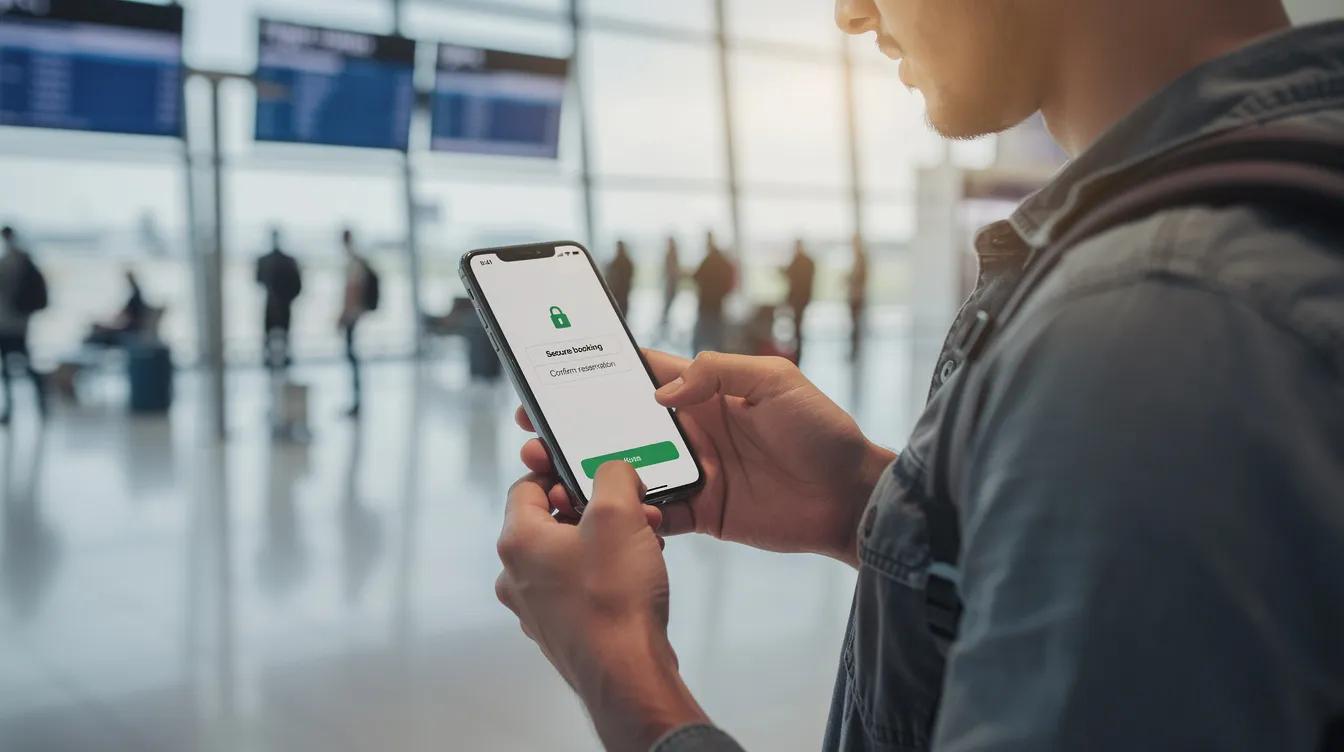
Customers expect secure payments. Any breach involving sensitive card data can damage trust overnight, especially when passports, itineraries and personal details sit alongside payment data.
PCI DSS compliance is essential for payment gateways. Payment gateways must meet PCI DSS standards for security, and a compliant hosted checkout or tokenised setup can reduce your burden. Tokenization replaces sensitive card data with non-sensitive tokens. Tokenisation replaces sensitive card data so you can collect staged payments without storing card numbers. End-to-end encryption protects data during payment processing.
3D Secure 2 is required for EU transactions under PSD2 regulations. 3D Secure 2 compliance shifts fraud liability to the card issuer in travel transactions when correctly applied, but poor setup can hurt conversion. GDPR also matters, including data minimisation, retention periods and breach procedures.
Travel agencies face higher fraud risks due to advance bookings, so pre-authorisations, clear booking descriptors and dispute evidence packs are vital. We help you choose gateways and acquirers with strong fraud tools and practical compliance support. Ask us for a free security and contract review.
How We Reduce Your Card Processing Fees and Improve Cash Flow
Card fees of 2% to 3% on high value transactions, FX margins, chargeback fees and delayed settlement can strip profit from every booking. Travel businesses often face higher processing fees due to risk classification, and travel agencies often face higher processing fees than other industries.
Our model is simple. We bring banks volume from many UK merchants, so we can often access wholesale-style terms that a single operator cannot get directly. Why pay retail rates when our bulk buying power can help reduce payment processing fees?
We compare card processing fees line by line: transaction fees, authorisation costs, FX, monthly minimums, chargeback costs, refund fees and settlement terms. We often see realistic savings of 10% to 20% versus standard tariffs. Our service is 100% free to you. The bank pays us, and you keep the savings.
Example scenarios:
-
A UK coach operator taking school bookings needed lower reserves and faster settlement to protect cash flow.
-
A safari specialist taking £3,000 to £10,000 bookings needed multiple currencies, lower FX costs and stronger fraud protection.
-
A mid-size OTA needed better approval rates across international bookings and fewer failed customer payments.
We aim to secure the cheapest viable option, not the cheapest headline rate. Upload your statement and we will produce a free side-by-side comparison.
Choosing the Right Travel Payment Gateway with Our Help
Choosing a payment gateway is not about picking a big name. It is about matching risk appetite, payment methods, payment infrastructure and total cost to your business model.
We assess whether you are an OTA, inbound tour operator, DMC, hotel group, coach operator, cruise business or niche attraction. We then review average booking value, chargeback history, source markets, currency conversion needs and whether you need API-first or plug-and-play integration.
We also look at total cost of ownership:
|
Cost area |
Why it matters |
|---|---|
|
Processing fees |
Headline rates rarely show full cost |
|
FX and dynamic currency conversion |
Hidden margins can erode profit |
|
Reconciliation labour |
Manual work increases finance cost |
|
Approval rates |
Lost authorisations mean lost bookings |
|
Reserves |
Cash held back weakens cash flow |
We shortlist suitable gateways and acquirers, structure quotes, negotiate terms and stay involved during implementation. Schedule a free call with us and we will start your tailored gateway review.
Types of Travel Companies We Support
The travel industry is diverse, so each operator needs a slightly different configuration.
-
Traditional and online travel agencies: Integrated online pages, phone payments, cancellations and refunds.
-
Tour operators and DMCs: Staged payments, supplier payouts in multiple currencies and chargeback management.
-
Hotels, serviced apartments and hospitality groups: PMS integration, pre-authorisations, incidentals, group bookings and deposits.
-
Transport and aviation-related businesses: Airlines, coach operators, ferry firms, cruise lines and car rental needing high-volume, low-latency gateways.
-
Attractions and experience providers: Adventure tours, events and ticketing platforms needing mobile checkout, payment link options and POS.
Hard to place travel operators are often declined when they go direct. If you have been offered poor terms, ask us for a second opinion.

Frequently Asked Questions About Travel Payment Gateways
How much do travel payment gateways cost in the UK?
Costs vary by card type, region, risk profile and volume. Travel merchants may see blended percentage fees plus pence-per-transaction charges, along with gateway fees and minimums.
Other costs include cross-border surcharges, FX mark-ups, chargeback fees and refund costs. We regularly find merchants overpaying by 10% to 20% compared with terms we can often secure. Send us a recent statement and we will calculate your effective blended rate.
Can a payment gateway support multiple currencies for my travel business?
Yes. Many gateways support multiple currencies for pricing and settlement. Multi currency processing lets you sell in EUR, USD or other currencies while settling in GBP or separate currency accounts.
Dynamic currency conversion must be reviewed carefully, because poor FX terms can raise costs for you or the traveller. We compare genuine multi-currency accounts, local acquiring and simpler cross-border setups. Let us review your FX costs.
What payment methods should my travel company accept?
You should accept Visa, Mastercard, relevant Amex volume, Apple Pay, Google Pay and the preferred payment methods in your main markets.
For international customers, local payment methods matter. iDEAL, Bancontact, SEPA, Alipay, wechat pay, bank transfers and Open Banking can improve conversion and reduce card cost on large bookings. We analyse booking data by country so you enable the right new payment methods first.
How quickly will we receive funds from our travel payment gateway?
Typical UK settlement can be T+1 or T+2 banking days, but high-risk merchants may face longer holds or rolling reserves.
Settlement speed affects supplier payments, payroll and seasonal cash flow. We negotiate settlement as part of every deal and aim for next-day settlement where possible. If funds are delayed without clear reason, ask us to review your contract.
Are travel agencies considered high risk by banks and processors?
Many banks classify travel agencies and tour operators as medium or high risk because of high ticket values, advance payments, cancellations and refunds.
This can mean declines, higher fees, reserves and extra underwriting. If you need a high risk merchant account instant approval, we will be honest: proper approval still needs underwriting, but we know how to present the case to suitable acquirers. Contact us if you have been declined or restricted.
Work With Us: Free Travel Payment Gateway Review and Cost Comparison
We help UK travel businesses reduce payment processing costs, improve cash flow and build a payment setup that fits real booking behaviour. We assess your current gateway, merchant services and acquirer terms, then compare better options using our volume leverage.
Our service is free to your business. The acquiring bank or provider pays us, and there is no obligation to switch if the proposal does not make commercial sense.
The process is simple:
-
Share recent merchant statements or gateway reports.
-
Speak with us briefly about your markets, booking flow and risk history.
-
Receive a clear comparison of current versus potential costs.
-
Let us support implementation, testing and early performance monitoring.
If you want the cheapest card payment machine for walk-up sales, a stronger online gateway, or a complete travel payment review, contact our team today. Upload your latest statement and start your free travel payment gateway review.
Payment Gateways for Travel Industry
Running a successful company in the tourism sector involves far more than just curating excellent holidays or managing logistics. For travel businesses, the financial infrastructure supporting these operations is the foundation of success. The specific requirement for robust payment gateways for travel industry professionals cannot be overstated. Unlike general retail, the travel and hospitality industry faces a complex set of financial hurdles. These range from high value transactions and volatile booking windows to the logistical nightmare of managing cross border payments across multiple time zones. The introduction of credit and debit cards in the 1940s marked a significant milestone in the evolution of travel payment processing, enabling faster payments and paving the way for online bookings.
Choosing the right payment processor is not just about the ability to accept payments. It is about securing profit margins, ensuring a smooth customer journey, and managing risk effectively. This guide examines what travel agencies, tour operators, and online travel agencies need to look for when selecting payment solutions to handle their business operations.
Introduction to Payment Gateways
A payment gateway is the backbone of modern payment collection for travel agencies and online travel agencies (OTAs). In the travel industry, where customers expect to book trips and experiences online, a payment gateway enables travel businesses to accept payments securely and efficiently from anywhere in the world. Acting as a digital bridge, the payment gateway connects the customer’s chosen payment method—whether it’s a credit card, debit card, or digital wallet—to the merchant’s bank account, ensuring that funds are transferred safely.
For travel businesses, providing a secure payment experience is not just about protecting sensitive customer data; it’s also about building trust and encouraging more customers to complete their bookings. As online payments become the norm, having a reliable payment gateway is essential for expanding your customer base and delivering a smooth payment experience that keeps customers coming back.
Payment Processing Basics
Payment processing is the engine that powers every successful transaction in the travel industry. For travel agencies and OTAs, understanding how payment processing works is key to ensuring that customers can pay quickly and securely. The process begins when a customer initiates a payment on your website or booking platform. The payment gateway then securely transmits the payment information to the payment processor, which verifies the customer’s payment method—such as a credit card or bank transfer.
Once verified, the payment processor coordinates with the relevant banks to transfer the funds into the merchant’s account. Throughout this process, the payment gateway and payment processor work together to provide secure payments, protect against fraud, and ensure that travel agencies can accept payments from customers around the globe. By mastering the basics of payment processing, travel businesses can streamline their operations and offer a seamless payment experience to their customers.
Why Travel Payments Are Different
The travel industry operates on a model that traditional banks often view as high-risk. This classification stems from the time gap between the booking process and the actual delivery of the service. A customer might pay for a holiday months in advance. This delay creates liability. If the travel agent or provider ceases trading before the trip, the card issuer often has to refund the customer. Consequently, securing a stable merchant account can be difficult.
Furthermore, travel payment processing involves large sums. High value transactions trigger security alerts more frequently than small retail purchases. In the travel industry, secure and efficient payment transactions are essential, especially for high-value bookings, to ensure customer trust and minimise disruptions. A standard fraud detection system might flag a legitimate £3,000 holiday booking as suspicious, leading to a declined transaction. This disrupts the booking process and can result in lost revenue. Credit card transactions play a critical role in enabling seamless and secure payments for travel bookings, making robust security standards and compliance with industry regulations vital for travel agencies.
Travel operators also have to contend with a global customer base. You are not just dealing with payments from the UK. You are processing international customers paying in USD, EUR, JPY, and more. This necessitates multi currency transactions capabilities and a gateway that handles cross border transactions without levying exorbitant transaction fees.
The Role of the Payment Gateway
A payment gateway acts as the digital equivalent of a card terminal. It securely transmits transaction details from the customer’s booking engines or website to the payment processor and the bank. For travel businesses, the payment gateway must do more than just push data. It needs to be a one stop shop for managing the flow of money. Leading payment gateways offer comprehensive merchant services tailored for the travel and hospitality industry, supporting a wide range of payment methods—including electronic payments, credit/debit cards, and local digital wallets—to meet diverse operational needs.
Security and Fraud Prevention
Security is the top priority. Secure payments build trust. When potential customers are about to transfer thousands of pounds, they need to see visible security indicators. A robust payment gateway will offer PCI DSS compliance and 3D Secure authentication. However, aggressive security must be balanced with a seamless transactions experience.
Advanced payment gateways use machine learning to distinguish between genuine card payments and fraud. This is vital for travel agencies where manual review of every booking is impossible. Effective fraud detection reduces chargebacks, which are a major plague on profit margins in the hospitality industry.
Handling Multi Currency and Local Preferences
If you restrict potential customers to paying in Sterling, you limit your market. A global payments strategy is essential. Your payment gateway should support multiple currencies and automatically update exchange rates.
Moreover, credit cards are not the preferred method everywhere. In some regions, bank transfers or specific local payment methods dominate. Offering local payments is crucial for simplifying cross-border transactions, reducing fees, and improving efficiency for international customers. For instance, allowing customers in the Netherlands to use iDEAL or customers in China to use Alipay can significantly boost conversion rates. Payment providers that offer access to alternative payment methods through a single integration give travel businesses a competitive edge.
Key Features for Travel Agencies and Tour Operators
When evaluating payment solutions, travel agents and tour operators should prioritise specific functionalities that align with their business model. The ability to offer multiple payment methods is essential for meeting customer expectations and enhancing the overall booking experience.
1. Integration with Booking Systems
Your payment gateway must speak the same language as your booking systems. Whether you use custom booking engines or off-the-shelf software, the payment processing work should happen automatically. Manual entry of payments into a customer relationship management (CRM) system is prone to error and inefficient. A single platform approach ensures that when a customer pays, the inventory is updated, the confirmation is sent, and the finance team sees the funds.
2. Virtual Cards and Vendor Payouts
Travel agencies often act as intermediaries. They take payments from the customer and then must pay airlines, hotels, and local guides. This is where vendor payouts become critical. Some payment gateways offer virtual cards. These allow agents to generate a unique card number to pay suppliers instantly. It simplifies reconciliation and protects the agency’s main bank accounts from exposure.
3. Recurring Payments and Instalments
For luxury travel or cruises, customers may prefer to pay in instalments. Payment gateways that support recurring billing or “buy now, pay later” options can help travel businesses secure higher value bookings. This flexibility improves the customer journey and makes expensive trips more accessible.
Digital Wallets
Digital wallets, including popular options like Apple Pay and Google Pay, are transforming the way customers pay for travel. For travel agencies, integrating digital wallets into your payment gateway means allowing customers to pay with just a tap, whether they’re booking on a desktop or mobile device. Digital wallets store payment information securely, eliminating the need for customers to manually enter card details and reducing the risk of errors or abandoned bookings.
Offering digital wallets as a payment option not only enhances the payment experience but also increases conversion rates by making it easier and faster for customers to pay. As more travellers expect flexible and convenient payment options, travel agencies that support digital wallets are better positioned to attract and retain customers in a competitive market.
Card Network
Card networks such as Visa and Mastercard are fundamental to global payment processing in the travel industry. These networks connect travel agencies and OTAs with customers worldwide, enabling secure and reliable card transactions. When a customer pays with a credit or debit card, the card network facilitates the transfer of funds between the customer’s bank and the merchant’s bank, ensuring that payments are processed efficiently and securely.
For travel businesses, understanding how card networks operate is crucial for optimising payment processing systems and ensuring that you can accept payments from a diverse, international customer base. By leveraging the reach and security of major card networks, travel agencies can process transactions smoothly and provide customers with the payment options they expect.
Optimising the Payment Experience
The payment experience is the final hurdle in the sales funnel. Abandonment at the checkout stage is common if the process is clunky or if the customer’s preferred payment options are missing.
Mobile Optimisation
Travel bookings on mobile devices are increasing. The payment gateway interface must be responsive. Entering card payments details on a small screen should be easy. Integration with digital wallets like Apple Pay and Google Pay is increasingly important. These allowing for one-tap payments, bypassing the need to type out long card numbers. Apple Pay alone has massive adoption in the UK and US markets.
Speed and Reliability
Online payments must be fast. Travel payment infrastructure needs to handle spikes in traffic, such as during January sales or Black Friday. If the payment processing lags, the customer might assume the site has crashed. Faster payments capabilities also apply to settlement options. Travel businesses cannot afford to wait weeks for funds to clear. Look for payment providers that offer rapid settlement to your merchant account.
Choosing the Right Payment Processor
The market is flooded with payment providers. However, generalist providers often lack the nuanced understanding of the travel industry. A specialised travel payment processor will understand the difference between a tour operator and a hotelier. They will be more likely to approve your merchant account application and offer tailored transaction fees.
Assessing Costs
Payment processing costs can eat into revenue. You need to look at:
- Setup fees: One-off costs to get started.
- Monthly fees: Fixed costs for using the gateway.
- Transaction fees: A percentage of every sale.
- Cross border fees: Extra charges for international customers.
- Currency conversion fees: Costs for swapping currencies.
While it is tempting to go for the cheapest option, the cheapest provider might lack the secure payment experience or the customer support you need when payments fail.
The Benefit of a Merchant of Record
Some travel businesses opt for a Merchant of Record model. Here, the payment processor takes on the liability for the transaction. They handle the tax compliance, fraud detection, and payments to suppliers. This relieves the travel agent of significant administrative burden, though it usually comes with higher fees.
Payment Gateway Scalability
As travel agencies and OTAs grow, their payment processing needs become more complex. A scalable payment gateway is essential for handling increasing transaction volumes and serving a broader customer base without compromising on speed or security. Scalability means your payment gateway can process a high number of transactions simultaneously, support multiple currencies, and offer a wide range of local payment methods to cater to international customers.
Advanced security features are also a must, ensuring that as your business expands, your customers continue to enjoy a secure and seamless payment experience. By choosing a payment gateway that can grow with your business, travel agencies can focus on reaching new markets and offering more payment methods, confident that their payment processing infrastructure will keep pace with demand. This adaptability is key to staying competitive and delivering the best possible payment experience to your customers.
The Future of Travel Payments
The landscape of payments is shifting. Open Banking is paving the way for direct bank transfers that bypass the traditional card network. This can significantly reduce fees for travel operators. Real-time payments are becoming the norm.
We are also seeing a move towards a one platform ecosystem. Rather than having separate systems for booking, payments, and marketing, travel businesses are adopting unified solutions. These other systems integrate everything, providing a holistic view of the business and the customer base.
Summary of Best Practices
To succeed, travel agencies and tour operators must treat payment processing as a strategic asset.
- Diversify Payment Methods: Offer card payments, digital wallets (like Apple Pay), and local payment methods to cater to a global audience.
- Prioritise Security: Use payment gateways with strong fraud tools to protect high value transactions.
- Seamless Integration: Ensure your payment gateway connects flawlessly with your booking engines and business operations.
- Watch the Fees: innovative settlement options and competitive transaction fees are vital for maintaining profit margins.
- Mobile First: Ensure the payment experience on mobile devices is frictionless.
Navigating the world of payments in the travel industry is complex. The combination of high value transactions, cross border payments, and a global customer base creates unique challenges. However, with the right payment gateway and payment processor, these challenges become opportunities.
By selecting payment solutions that offer secure payments, multi currency support, and local payment methods, travel businesses can expand their reach and improve conversion rates. Whether you are a small niche travel agent or a large tour operator, the ability to process transactions efficiently is central to your survival and growth.
Payment processing is the engine room of the travel and hospitality industry. It powers the booking process, secures revenue, and facilitates the experiences that customers cherish. Investing time in selecting the right partner to handle your payments is one of the most important business decisions you will make.
What to do next
If you are reviewing your current payment processing setup or looking to establish a new merchant account for your travel business, we can help you compare the leading payment gateways.




Ready to Lower Your Fees?
Don’t miss out on the opportunity to reduce your card processing costs. Compare providers today and start saving with Payment Processing!